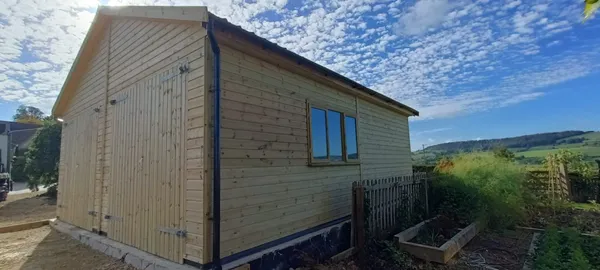
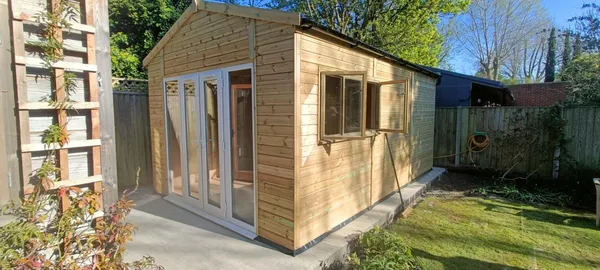
The best man cave and she shed ideas are those that match your interests and the space available. You could create a workshop, art studio, music room, home gym or quiet place to read and relax.
A timber garage or garden building gives you a separate space for hobbies without taking over a room in your home. Before choosing an idea, think about the amount of space, light, electricity, heating and ventilation you may need.
Here are nine ways to create a personal space that works for you.
Making things from wood can be extremely rewarding, especially with some good music or a favourite podcast playing in the background. Choose a building with enough room for a workbench, tools and timber, including any long pieces you need to store.
Hand tools may be enough for smaller projects. If you plan to use power tools or fixed machinery, ask a qualified electrician to assess the electrical supply and carry out the installation. Heavy machinery needs a strong, level floor, but the right base will depend on the equipment and the building.
Good lighting and ventilation will make the workshop safer and more comfortable. Woodworking can produce plenty of dust, so you may also need suitable dust extraction and protective equipment. You may also want some heating for quieter jobs such as carving.
A garden yoga and meditation room gives you a quiet place to stretch, exercise or unwind away from distractions in the house. Choose a building with enough room to move comfortably and use your mat without bumping into furniture or walls.
Insulation, ventilation and suitable heating can help keep the room comfortable throughout the year. Natural light can create a pleasant atmosphere, while blinds or curtains provide privacy when needed.
You may not need a permanent electrical supply if you only use the space occasionally. Battery-powered lights and a portable speaker may be enough.
For more practical advice on insulation, flooring and ventilation, read our guide to turning a garage into a gym.

A garden art studio gives you a quiet place to be creative away from the distractions of the house. Whether you enjoy painting, sculpting or illustrating, look for a building with plenty of windows to provide natural light.
Think about the practical features your work requires. Electricity will power lamps and equipment, while heating can make the studio comfortable throughout the year. You may also want plumbing for a sink, especially if you regularly need to clean brushes and other tools.
Depending on your interests, you could add an art desk, taboret, shelves, lamps, a rolling cart or print racks. Make sure there is enough room to store your materials and move around comfortably. If you work with paints, solvents or other products that produce fumes, include suitable ventilation in the design.
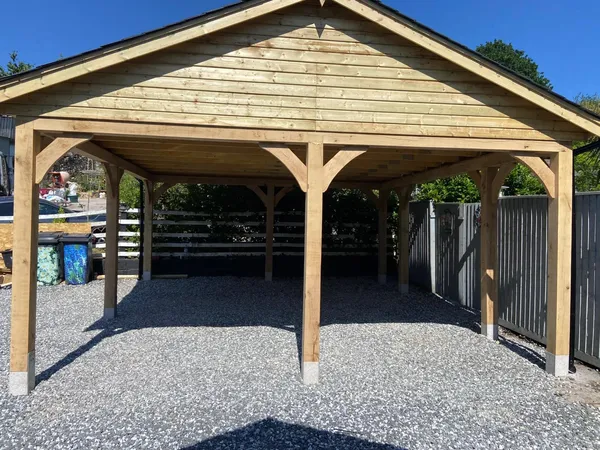
Do you enjoy tinkering with engines in your spare time? Consider creating your own private garage on your property. An oak-framed garage offers more protection from the weather, while a timber carport may suit basic maintenance and covered parking.
Plan the layout around the size of your vehicle and the type of work you want to do. Leave enough room to open the doors, move around safely and reach storage without creating an obstruction.
If you intend to lift a vehicle, make sure the floor, headroom and lifting equipment are suitable. You will also need good lighting and ventilation, particularly when working with fuels, fumes or chemicals.
Consider your power requirements before choosing the building. Rechargeable lights may be useful for simple tasks, but tools and fixed equipment may require a permanent supply installed by a qualified electrician.
If you are unsure which type of building suits your plans, compare the features of a garage, carport, carriage house and workshop.
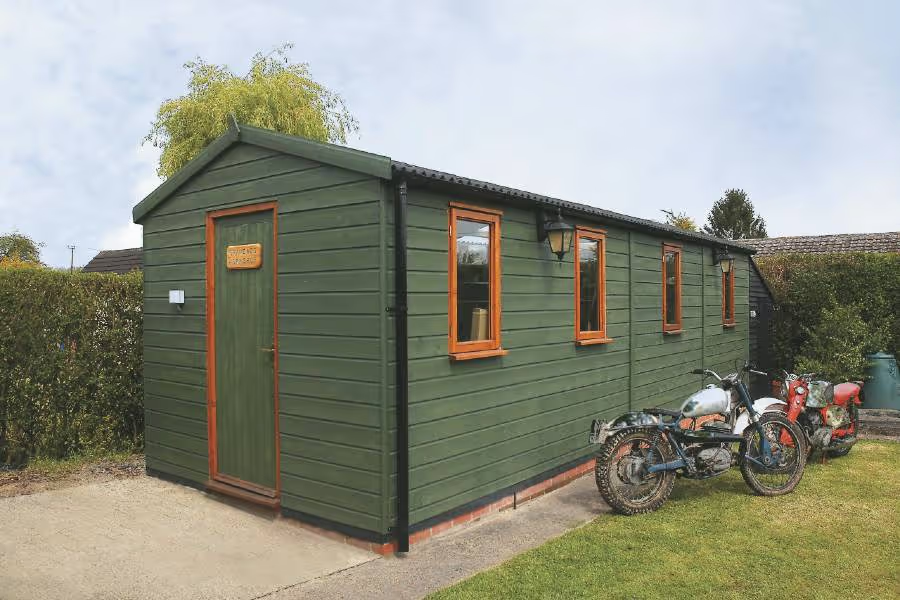
If you enjoy making beer, a home brewery gives you a dedicated place to experiment with recipes and store your equipment. It also keeps the brewing process separate from your kitchen.
The setup you need will depend on your brewing method. It may include electricity, a suitable water supply, a sink, heating equipment, washable surfaces and space for fermenting and storing your brew. Good ventilation is important because brewing can produce heat, steam and moisture.
Plan the layout carefully so that you can handle hot liquids safely and clean the equipment easily.
A simple potting shed gives you a practical place to store seeds, tools, pots and gardening supplies. You can also use it for preparing plants, sowing seeds and completing smaller gardening jobs when the weather is poor.
Windows provide natural light for seedlings and delicate plants. Shelves and a potting bench can help you organise the space, while good ventilation prevents it from becoming too hot or damp.
Do you need a private, quiet space where to write your book, poems, short stories, or Substack? A writer’s shed gives you a quiet place to write away from distractions in the house. With enough room and natural light, it could also become a welcoming space where you occasionally meet other writers.
A comfortable desk, supportive chair and useful storage may be all you need to get started. Electricity is helpful for lighting, charging a laptop and powering other equipment, while insulation and suitable heating can make the space comfortable throughout the year.
Rechargeable lights and power banks may be enough for occasional, low-power use. If you need a permanent electrical supply or fixed heating, you will need to hire an electrician.

A garden music studio gives you a dedicated place to practise an instrument, learn new songs or record your own music. If space allows, you could also invite friends over for a rehearsal or a relaxed jam session.
Think about how you will use the room before choosing its size and layout. Insulation and heating can make it comfortable throughout the year, while acoustic treatment can improve the sound inside. Soundproofing is different and may require specialist materials and construction to reduce the noise heard outside.
If you use amplifiers, recording equipment or other powered devices, arrange for a qualified electrician to install a suitable electrical supply. It is also worth considering your neighbours when deciding where to place the studio and when to use it.
A jewellery-making workshop gives you a dedicated place to design, make and store your creations. A small or medium-sized timber building may provide enough room for a sturdy worktable, a comfortable chair and shelves or drawers for tools and materials.
Good natural light and suitable task lighting will help with detailed work. Insulation and heating can make the workshop comfortable throughout the year, especially when you spend long periods sitting at the bench.
The exact setup will depend on the type of jewellery you make. If your work involves soldering, adhesives or other materials that produce heat or fumes, you will also need suitable ventilation, fire-safety equipment and a safe work surface.
If you only have room for one garden building, you could divide the interior into two areas. This gives each person a dedicated space for their own interests without requiring a second building.
Alternatively, you could create a shared workshop, studio or hobby room where your partner, family or friends can join you. The finished space can provide a welcome change of scene and somewhere to focus on the things you enjoy.
Before ordering a new building or changing how it is used, read our guide to planning permission for garages and outbuildings.
Whether you are planning a workshop, studio, hobby room or somewhere to store and work on your vehicles, Chart Garages can help you choose a timber building that suits your space and intended use.
Explore our timber garages and garden workshops or contact our team to discuss your ideas. We can help you develop a practical design that complements your property.
What is the difference between a man cave and a she shed?
Both terms describe a personal space used for hobbies, work or relaxation. The main difference is simply the traditional name given to each.
Can I use a timber garage as a hobby room?
Yes, a timber garage can often be used as a workshop, studio, gym or hobby room. The design should suit the activity and provide the space, lighting, ventilation and services you need.
Do I need planning permission for a man cave or she shed?
Not always. It may fall under permitted development, but this depends on its size, position and use, as well as the property. Check with your Local Planning Authority before starting work.
Do I need Building Regulations approval?
Possibly. Approval may be required depending on the building’s size, construction, location and intended use. Ask your local building control team for advice.
Can I run a business from a man cave or she shed?
Sometimes, but business use may affect planning permission, insurance, business rates or other requirements. Check the rules before using the building commercially.