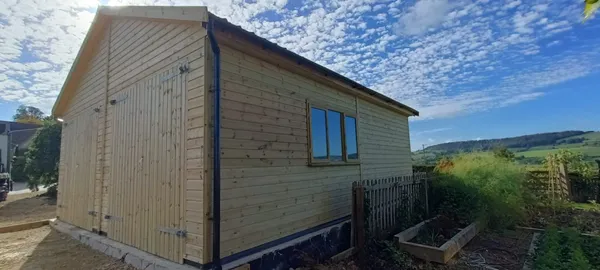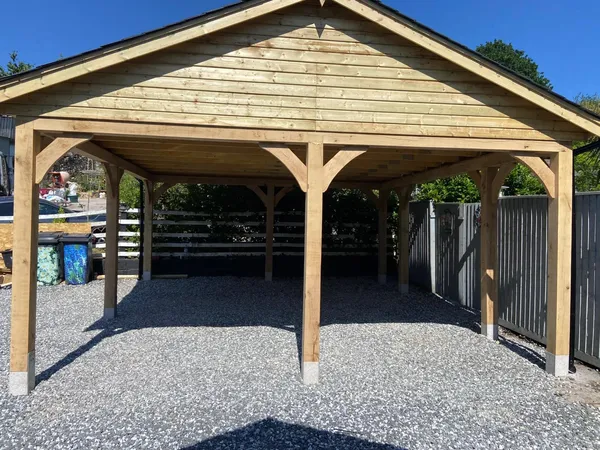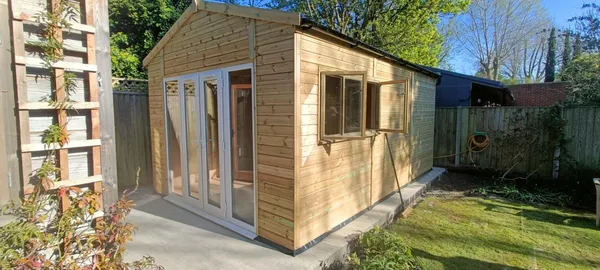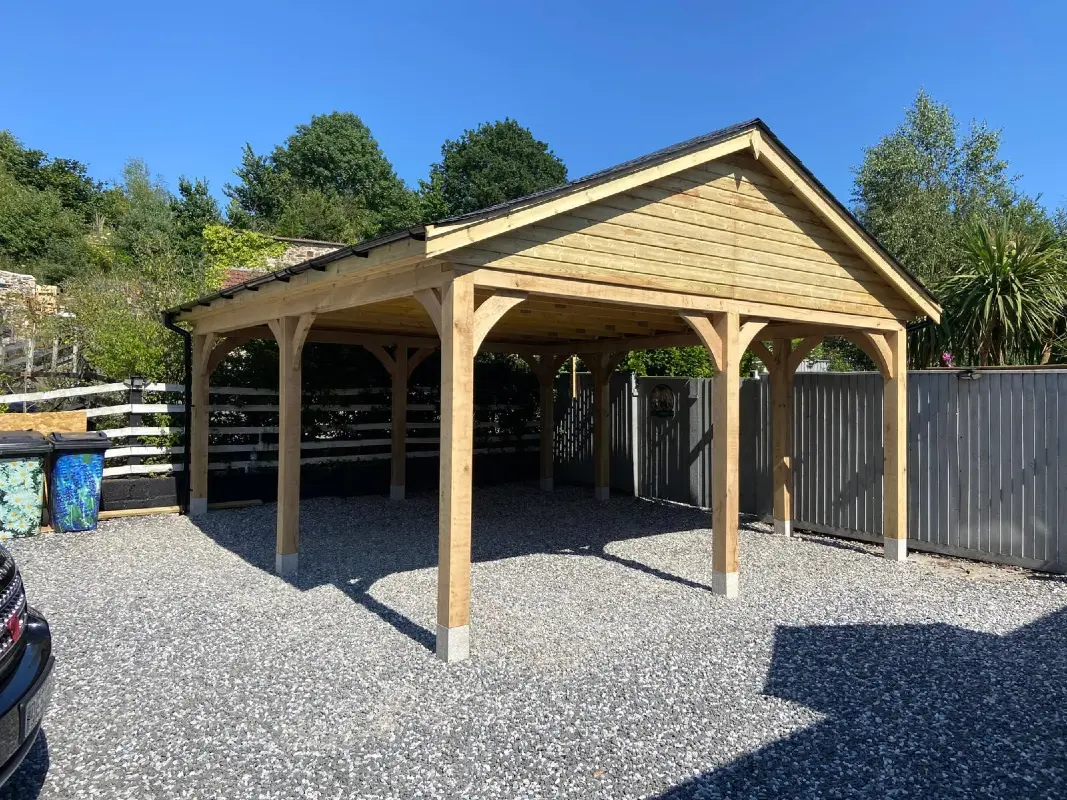
In England, you can often build a detached garage, carport or carriage house without applying for planning permission, as long as it meets permitted development rules.
Whether your project qualifies will depend on its height, location, size and intended use.
Different rules may apply if your home is listed, in a designated area or has restricted permitted development rights.
These structures are usually treated as outbuildings under Schedule 2, Part 1, Class E. This covers buildings used alongside your home, such as a garage for parking or storage.
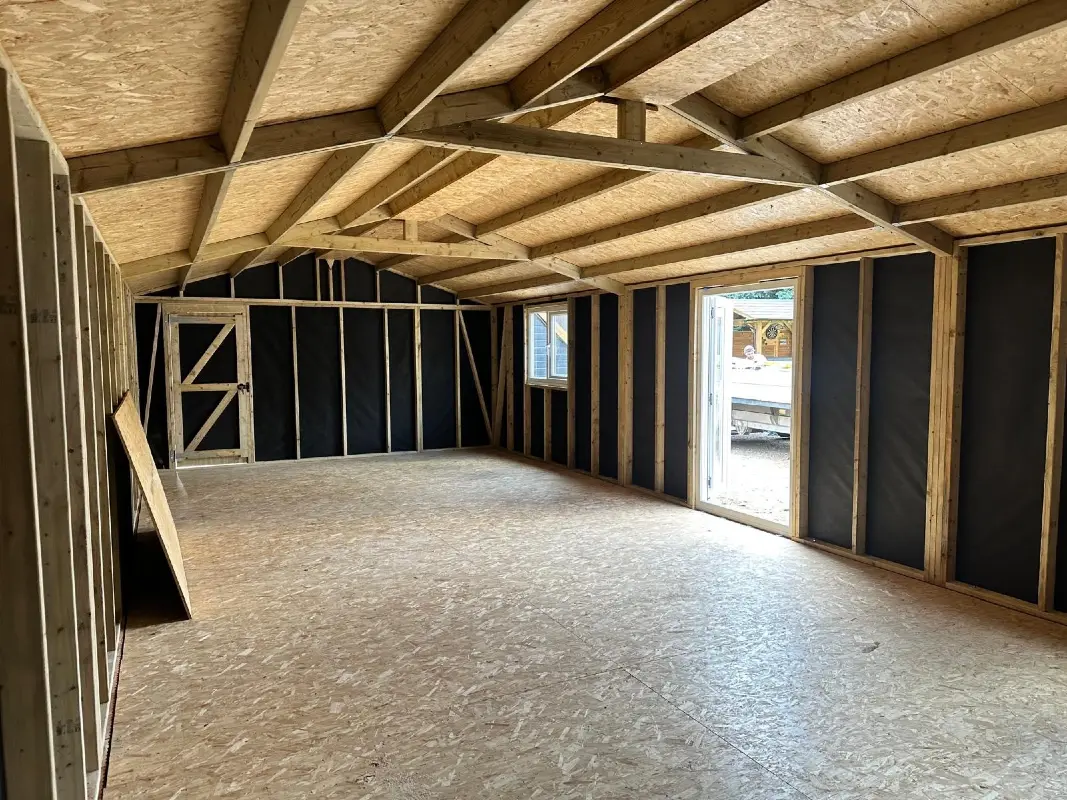
In many cases, you can build a garage, carport or carriage house without planning permission as long as it meets rules covering its location, size, height and use. Extra restrictions apply to listed homes and properties in protected areas.
You can usually build it at the side or back of your house. It must not sit in front of your house.
There is no single maximum floor area. However, extensions and outbuildings together must not cover more than 50% of the land around the original house. This means the house as first built or as it stood on 1 July 1948.
Stricter limits apply in protected areas. In National Parks, National Landscapes, the Broads and World Heritage Sites, outbuildings more than 20 metres from the house can cover no more than 10m² in total.
The whole building must be no higher than 2.5 metres if it is within two metres of a boundary.
The eaves must also be no higher than 2.5 metres. If the building is more than two metres from a boundary, a dual-pitched roof can be up to 4 metres high. Other roof types can be up to three metres high.
Not under Class E permitted development rules. It must be a single-storey building. A two-storey garage or outbuilding will need planning permission.
You can, but you will need planning permission because Class E permitted development rights do not apply. You may also need Listed Building Consent if the project affects the listed building itself, for example, if the garage will be attached to it.
Yes, but extra restrictions apply. An outbuilding at the side of a house in a conservation area will normally need planning permission.
Other limits may apply in National Parks, National Landscapes, the Broads and World Heritage Sites.
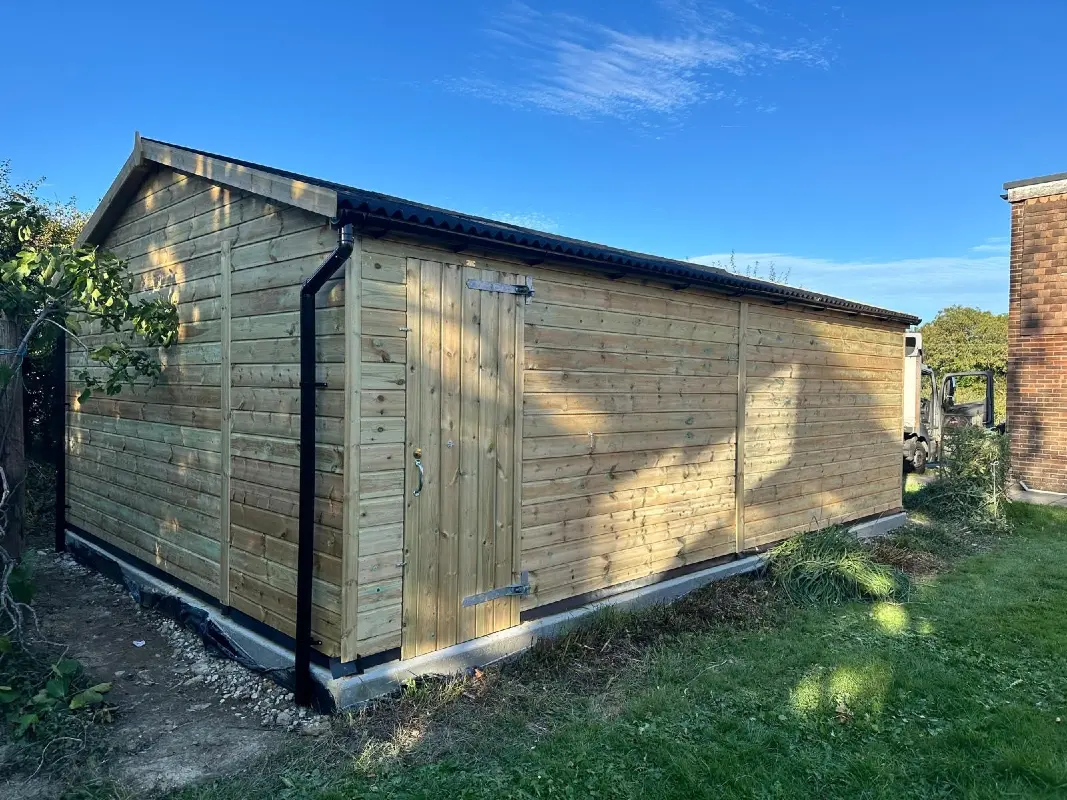
No, you cannot use Class E permitted development rights to build a separate, self-contained home. The outbuilding must be used as part of your main home, such as for parking, storage or hobbies.
Some business uses are not covered either, such as running a workshop that brings customers or employees to the property.
Yes. The plans cannot include verandas, balconies or raised platforms more than 30cm high if the project is to qualify as permitted development.
You will need to apply for planning permission from your Local Planning Authority, which you can do online through the Planning Portal.
You will usually need drawings, a site plan and details of the building’s size, materials and use. Your council will explain exactly what you need to provide.
You can also ask the council for advice before applying. This may help you spot any problems and make changes early.
The council will look at the building’s size, design and materials. It will also consider how it fits with your home and nearby properties.
Other factors may include parking, access, drainage, noise and the effect on your neighbours. Speaking to your neighbours before applying may help you deal with any concerns early.
Most householder planning applications are decided within eight weeks. Larger or more complicated projects may take longer.
Yes. For a refused householder application, you normally have 12 weeks from the date on the decision letter to appeal. Different deadlines can apply in some cases, so check the letter carefully.+
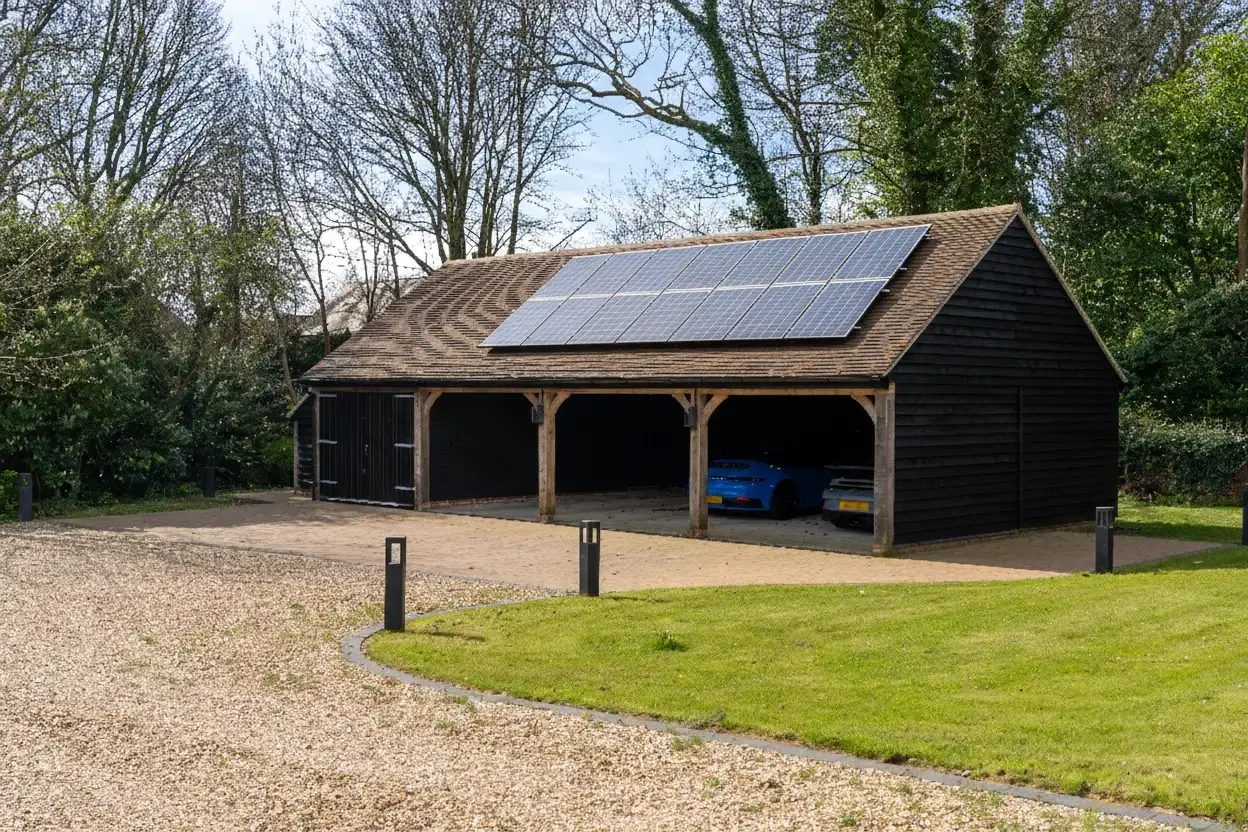
You will need planning permission to build a garage, carport or carriage house within the grounds of a listed home. Class E permitted development rights do not apply.
You may also need Listed Building Consent if the project affects the listed building itself, for example, if the new structure will be attached to the house.
You can apply for planning permission and Listed Building Consent online through the Planning Portal.
The council will look at how the plans affect the listed building’s character, history and surroundings. It will also consider the building’s size, location, design and materials.
Your council may ask for a heritage statement explaining the history of the property and how the design protects its special features.
Planning rules for garages and outbuildings can be complex, especially if your property is in a protected area or has already been extended. Taking the time to check the details early will help you avoid delays or enforcement issues later.
Before ordering or starting construction, it is best to confirm the requirements with your Local Planning Authority. If you would like written confirmation that your project complies with permitted development, you can apply for a Lawful Development Certificate. It is optional, but useful if your design is close to the limits or you plan to sell in the future.
At Chart Garages, we design and build garages, carriage houses, and carports that are aesthetically pleasing and built to stand the test of time. Our team can help you plan a design that fits your plot and complements your property’s character.
Need help deciding between a garage, carport, oak carriage house, or workshop? Read this article.
Do I need Building Regulations approval for a garage?
You may need Building Regulations approval even if you do not need planning permission. The rules depend on the garage’s size, location and use, as well as whether it is attached to your home. Check with your local building control team before starting work.
Does the 4-year planning rule still apply to garages?
Only in some cases. The 4-year enforcement limit may apply to a garage completed before 25 April 2024. For work completed on or after that date, the limit in England is normally 10 years.
How can I confirm that my garage is permitted development?
You can apply to your Local Planning Authority for a Lawful Development Certificate. This provides written confirmation that the proposed work is lawful.